From Sketch to Screen: How AI is Revolutionizing Cartoon Creation and Animation in 2026 What if you could turn a rough script into a fully rendered, production-ready cartoon episode in less time than it takes to drink your morning coffee? Just a few years ago, that idea sounded like pure science fiction or a multimillion-dollar studio pipe dream. Today, the landscape of digital art and storytelling has flipped completely upside down. Artificial intelligence has stepped out of the experimental sandbox and into the professional animation studio. If you have ever stared at a blank drawing tablet wondering how to bring your characters to life without spending months on frame-by-frame rendering, you are in the right place. In this comprehensive guide, we are going to pull back the curtain on how AI is reshaping the cartoon industry, the exact tools reshaping workflows this year, and how you can leverage these breakthroughs. Before we dive deep, make sure...
How AI and Grocery Shopping Are Rewriting the Food Supply Chain: The Predictive Revolution Every Shopper Is Ignoring
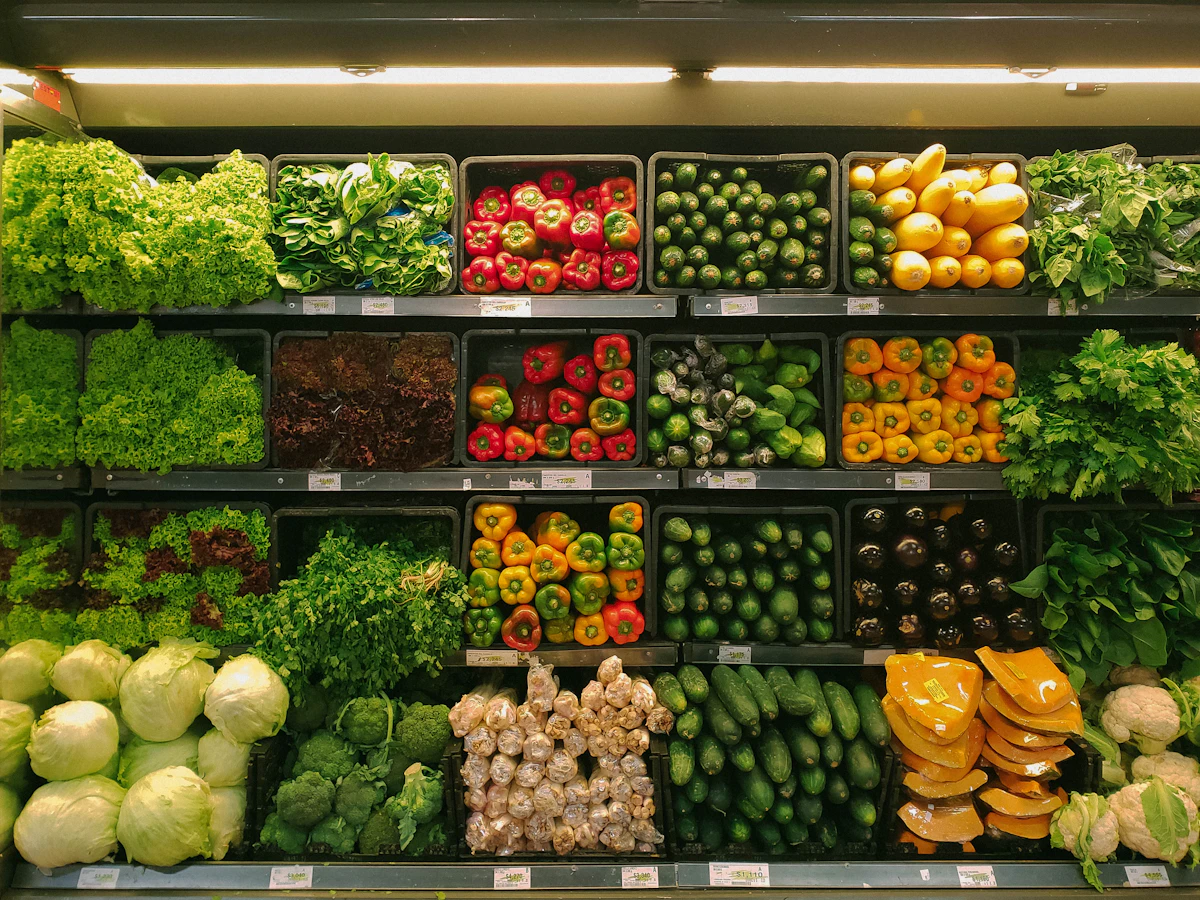
How AI and Grocery Shopping Are Rewriting the Food Supply Chain: The Predictive Revolution Every Shopper Is Ignoring
What if everything you thought you knew about weekly grocery shopping, pantry management, and supermarket supply chains was completely obsolete? Every single week, millions of consumers wander down chaotic supermarket aisles buying impulse items while tossing expired food from their fridges, unaware that the entire retail food ecosystem is plagued by massive inefficiencies. Global supply chains lose billions annually to perishable spoilage and inaccurate demand forecasting. Enter artificial intelligence—not as a futuristic self-checkout kiosk, but as an aggressive, data-crunching intelligence engine reshaping food retail from farm to fork. If you are still managing your kitchen and buying groceries blindly, you aren't just wasting money; you're participating in an entirely broken analog loop.
Section 1: The Evolution of Algorithmic Retail — How AI Replaced Static Inventory Management
For decades, grocery retail operated on reactive, rigid schedules. Store managers guessed how many avocados, gallons of milk, or loaves of artisanal bread to order based on historical sales from the previous year, local weather guesses, and gut instinct. The result? Endless empty shelves of high-demand items sitting alongside mountains of fresh produce rotting in dumpsters before reaching a customer's shopping cart.
As retail supply chain analysts note, legacy grocery operations were built for a predictable, slow-moving industrial era. Modern algorithmic retail changes this equation entirely by shifting from static batch ordering to continuous predictive demand sensing. Today’s AI-powered grocery engines ingest live, multi-variable data streams—local traffic patterns, real-time social media food trends, sudden weather shifts, and local demographic purchasing shifts—to optimize store shelves and warehouse logistics instantaneously.
Why Traditional Grocery Supply Chains Are Failing Modern Consumers
To understand the seismic disruption of artificial intelligence in grocery and food distribution, consider the friction points that plague traditional supermarkets:
- The Perishable Waste Crisis: Traditional supply chains suffer from high spoilage rates because goods move through manual handoffs with zero real-time freshness tracking.
- Out-of-Stock Frustration: When unexpected viral recipes trend online, analog inventory models fail to restock ingredients quickly enough, leaving shelves empty and shoppers frustrated.
- Consumer Decision Fatigue: Navigating aisles packed with thousands of confusing food labels without personalized dietary intelligence leads to poor nutritional choices and wasted grocery budgets.
By automating inventory forecasting and supply chain logistics, AI eliminates these inefficiencies at scale. To explore how automated data pipelines manage complex logistical workflows across industries, check out our guide on optimizing digital workflows and automated data pipelines.
Section 2: Data-Driven Case Studies — The Multi-Billion Dollar Grocery Transformation
Theory is compelling, but corporate survival and retail profitability depend entirely on hard numbers. To see what happens when supermarket giants transition from traditional stockrooms to AI-driven predictive networks, let's examine empirical case studies tracking large-scale grocery operations.
Case Study: The Enterprise Retail AI and Waste Reduction Audit
In comprehensive multi-store retail data audits tracking major supermarket chains implementing machine learning inventory systems and automated dynamic markdown pricing, the results were definitive:
"Supermarkets utilizing AI-driven inventory and demand forecasting reported a 32% reduction in perishable food waste and a 24% decrease in out-of-stock incidents across fresh produce aisles. Furthermore, automated dynamic pricing algorithms—which adjust discounts on items nearing their expiration date in real time—boosted profit margins on perishable goods by 18% while redirecting thousands of tons of edible food away from landfills."
How do these intelligent grocery engines achieve such precision? The secret lies in computer vision and predictive machine learning models. Modern distribution centers use smart cameras and IoT sensors to monitor fruit ripeness, temperature fluctuations, and packaging integrity during transit. Meanwhile, consumer-facing grocery apps analyze your past purchase history, dietary goals, and household size to auto-populate smart shopping lists that minimize food waste at home.
The Rise of Autonomous Checkout and Smart Kitchen Integration
Beyond warehouse logistics, edge AI is revolutionizing the physical shopping and cooking experience. Computer vision checkout systems allow shoppers to walk out of stores without scanning items, while smart refrigerators powered by image-recognition AI track what ingredients you have left, automatically suggesting recipes or reordering staples before you run out.
To dive deeper into the underlying neural network architectures and software models powering these real-time applications, explore our technical archive on cutting-edge artificial intelligence infrastructure and language model applications.
Section 3: The Future Horizon — Smart Kitchens Meet Algorithmic Agriculture
As artificial intelligence cements its role across the global food sector, a recurring concern echoes among consumers: Will hyper-optimized food distribution strip away the natural joy of cooking and discovering fresh food? The answer depends entirely on how we wield the technology. If used carelessly, algorithmic grocery shopping can turn meals into sterile, rigid meal-prep calculations. But when deployed correctly, AI acts as a master kitchen assistant that eliminates food waste, streamlines household budgeting, and frees up mental energy for culinary creativity.
The future of food does not belong to the fully automated, flavorless nutrient paste; it belongs to the augmented home chef—a consumer who leverages machine intelligence for supply chain transparency, inventory tracking, and smart nutrition, while keeping their human passion for cooking alive in the kitchen.
Actionable Steps: How to Integrate AI Into Your Grocery Routine Today
Ready to revolutionize how you buy, store, and cook food? Implementing an AI-powered grocery strategy doesn't require complex technical mastery. Follow this practical blueprint for your household:
- Deploy Smart Pantry Apps: Use AI-integrated inventory apps to scan pantry barcodes or receipt photos, letting intelligent software track expiration dates and alert you before perishable items spoil.
- Leverage LLMs for Zero-Waste Meal Planning: Feed your current fridge inventory into an advanced language model with a prompt like: "Here are five ingredients about to expire in my kitchen. Give me three quick, healthy dinner recipes that use all of them without needing extra store runs."
- Automate Staple Reorders: Set up intelligent auto-replenishment for non-perishable household staples (cleaning supplies, olive oil, coffee) based on your actual consumption velocity rather than guesswork.
- Embrace Local Farm-to-Table AI Platforms: Support regional food networks that utilize predictive AI routing to connect local organic farmers directly with nearby consumers, bypassing traditional wasteful warehouse loops.
To keep pace with how artificial intelligence is transforming lifestyle, productivity, and global industries, continue exploring our latest insights on the future of human-AI collaboration.
The way we eat is undergoing its biggest transformation in a century. Optimize your kitchen workflows, eliminate food waste, and step confidently into the future of intelligent consumption.
Comments
Post a Comment