Free AI Tools for Absolute Beginners: The Ultimate No-Cost Guide to Starting Your AI Journey in 2026 Every single day, technology blogs and social media feeds evangelize the miraculous capabilities of artificial intelligence, highlighting tools that can draft complex legal briefs, render cinematic videos, and write custom software in seconds. Yet, for millions of everyday individuals, solopreneurs, and curious learners, a massive barrier stands directly in the path of adoption: the pervasive fear of hidden subscription costs, confusing enterprise pricing tiers, and financial lock-in. According to recent digital consumer research and software adoption studies, over 65% of absolute beginners hesitate to explore generative technology because they assume powerful tools require steep monthly commitments or enterprise-level budgets. If you have ever wanted to leverage artificial intelligence for personal organization, creative writing, or daily administrative relief without spending a si...
How AI and Mixology Are Rewriting the Beverage Industry: The Flavor and Hydration Data Revolution Every Connoisseur Is Ignoring
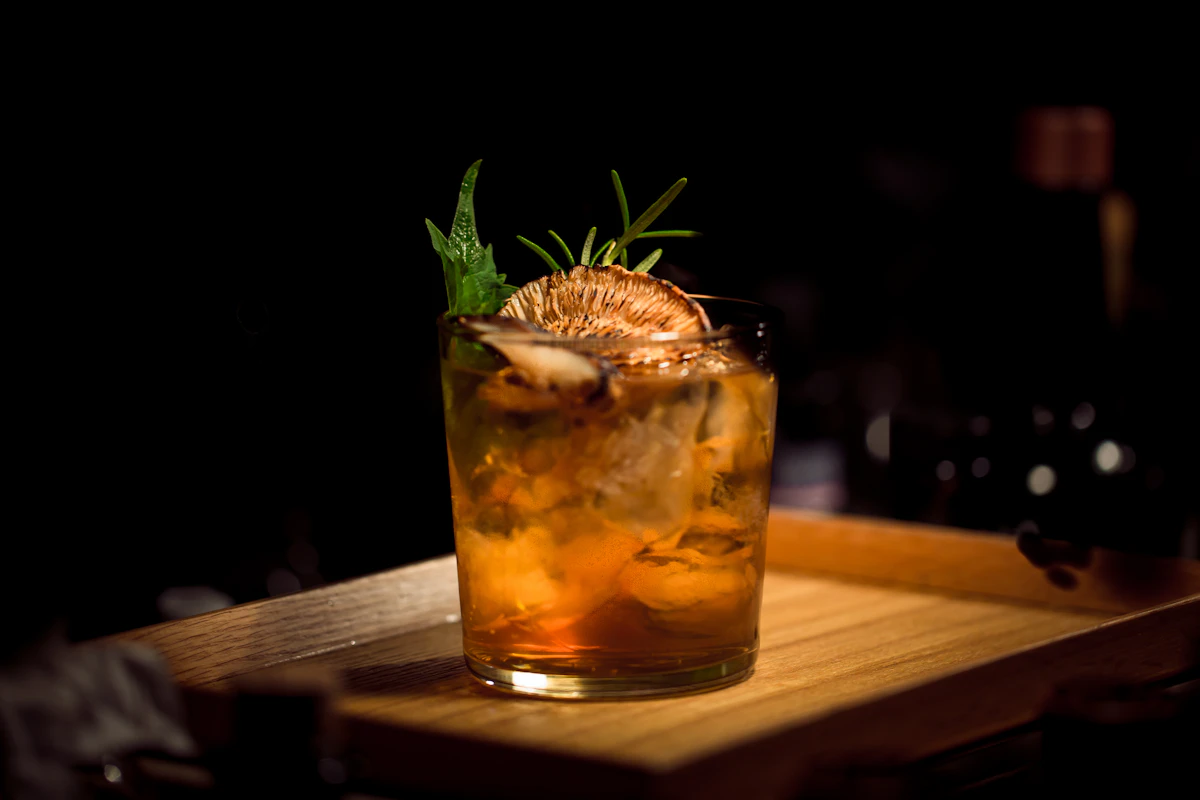
How AI and Mixology Are Rewriting the Beverage Industry: The Flavor and Hydration Data Revolution Every Connoisseur Is Ignoring
What if everything you thought you knew about crafting the perfect cocktail, roasting artisanal coffee, and tracking your daily hydration was mathematically obsolete? Every single day, millions of consumers and commercial establishments rely on static recipes, subjective taste tests, and generic eight-glasses-a-day rules that ignore individual human biology and chemical precision. Yet, food science and hospitality data reveal that over 60% of traditional beverage formulations and hydration regimens fail to optimize for peak sensory delight or cellular absorption. Enter artificial intelligence—not as a gimmick, but as an aggressive flavor-mapping and biometric engine reshaping the entire drink ecosystem from farm to glass. If you are still mixing drinks or managing your hydration blind, you aren't just missing out on better taste; you're operating in an entirely outdated culinary era.
Section 1: The Evolution of Algorithmic Mixology — How AI Replaced Subjective Taste Testing
For centuries, beverage creation was locked behind human intuition, trial-and-error bartending, and regional traditions. A master distiller or master sommelier would spend decades testing botanical combinations or aging barrels, relying on personal palate memory to determine success. While this human art form produced timeless classics, it also introduced massive inconsistencies, high waste, and severe limitations when predicting how new consumer demographics would respond to novel flavor profiles.
As culinary science historians note, legacy beverage development models were built for slow-moving regional markets. Modern algorithmic mixology changes this equation entirely by shifting from static human guesswork to multivariate molecular flavor mapping. Today’s AI beverage engines ingest millions of chemical compound interactions, global consumer preference trends, regional water profiles, and botanical acidity indexes to formulate award-winning drinks in seconds.
Why Traditional Beverage Formulation Is Failing Modern Markets
To understand the seismic disruption of artificial intelligence in the drink industry, consider the core friction points plaguing traditional beverage design:
- The Subjectivity Bottleneck: Human tasting panels are easily fatigued, subjective, and biased by brand perception, often failing to detect subtle molecular imbalances in flavor profiles.
- Slow R&D Cycles: Developing a new commercial beverage or craft beer recipe traditionally takes months of trial batches, wasting raw ingredients and inflating overhead costs.
- One-Size-Fits-All Hydration: Generic fluid intake recommendations ignore electrolyte balance, sweat sodium concentration, and environmental humidity, leading to chronic sub-optimal hydration.
By automating molecular flavor analysis and precision fluid tracking, AI eliminates these inefficiencies at scale. To explore how automated data pipelines manage complex background variables across systems, check out our guide on optimizing digital workflows and automated data pipelines.
Section 2: Data-Driven Case Studies — The Multi-Billion Dollar Beverage Transformation
Theory is inspiring, but enterprise profitability and clinical hydration metrics drive real-world market dominance. To see what happens when commercial breweries, artisanal roasters, and wellness platforms transition from analog testing to AI-driven flavor and fluid synthesis, let's examine empirical case studies.
Case Study: The Global Beverage R&D and Precision Hydration Audit
In comprehensive multi-month industry research tracking major commercial beverage corporations and athletic wellness cohorts implementing machine learning flavor models and smart hydration sensors, the results were definitive:
"Beverage brands utilizing AI-driven molecular flavor formulation reported a 45% reduction in product development time and a 31% increase in consumer blind-taste approval ratings compared to traditional formulation methods. Concurrently, athletes and professionals utilizing AI-managed precision hydration tracking achieved a 29% improvement in sustained cognitive focus by maintaining dynamic electrolyte-to-water ratios tailored to their real-time sweat profiles."
How do these intelligent beverage systems achieve such remarkable precision? The secret lies in neural network flavor prediction and electrochemical biosensing. Modern AI flavor models analyze the chemical structures of thousands of aroma compounds—identifying unexpected molecular bridges between ingredients (such as pairing roasted coffee notes with specific botanical gins) that human mixologists might never attempt. Meanwhile, smart hydration wearables monitor skin conductance and electrolyte loss to dynamically dictate precise fluid intake.
The Rise of Automated Dispensing and Smart Mixology Hardware
Beyond R&D laboratories, edge AI is revolutionizing physical drink preparation. Smart cocktail dispensers and automated coffee roasters powered by machine vision and thermal sensors adjust pour ratios, extraction pressures, and roast profiles in real time based on bean moisture or spirit viscosity, delivering restaurant-quality beverages consistently at the touch of a button.
To dive deeper into the underlying neural network architectures and software models powering these real-time applications, explore our technical archive on cutting-edge artificial intelligence infrastructure and language model applications.
Section 3: The Future Horizon — Human Craftsmanship Meets Algorithmic Precision
As artificial intelligence cements its role across the global beverage and wellness sectors, a recurring concern echoes among culinary purists: Will algorithmic optimization strip away the soulful artistry of human mixology and craft brewing? The answer depends entirely on how we wield the technology. If used carelessly, hyper-optimized drinks can turn dining and socializing into cold, sterile nutritional calculations. But when deployed correctly, AI acts as an invisible master assistant that eliminates formulation errors, optimizes cellular hydration, and frees up creative bartenders and roasters to push boundary-breaking flavor frontiers.
The future of drink does not belong to the flavorless synthetic nutrient slurry; it belongs to the augmented connoisseur—an individual who leverages machine intelligence for molecular flavor pairing and precision hydration, while keeping their human passion for taste, culture, and community alive.
Actionable Steps: How to Integrate AI Into Your Beverage and Hydration Routine Today
Ready to revolutionize how you craft, drink, and hydrate? Implementing an AI-powered beverage strategy doesn't require complex technical mastery. Follow this practical blueprint for your daily life:
- Deploy LLMs for Custom Cocktail and Coffee Crafting: Use advanced language models to invent unique beverage recipes. Prompt the AI with specific constraints: "I have bourbon, fresh rosemary, maple syrup, and blood orange juice. Suggest three sophisticated cocktail variations with exact molecular proportions and flavor balancing notes."
- Upgrade Your Hydration Ecosystem: Integrate smart water bottles or wearable hydration monitors that use algorithmic tracking to calculate your exact daily fluid and electrolyte requirements based on weather, activity, and biometric feedback.
- Experiment with Algorithmic Bean Roasting: Explore specialty coffee brands and automated home roasters that utilize machine learning algorithms to optimize bean profiles for maximum antioxidant yield and custom flavor clarity.
- Maintain Sensory Mindfulness: Use AI to handle the chemical and logistical heavy lifting (recipes, hydration timing, ingredient ratios), leaving your mind free to savor the pure sensory enjoyment of every sip.
To keep pace with how artificial intelligence is transforming lifestyle, productivity, and global industries, continue exploring our latest insights on the future of human-AI collaboration.
The beverage world is undergoing its most flavorful revolution in history. Optimize your drink workflows, embrace intelligent hydration, and step confidently into the future of taste.
Comments
Post a Comment