From Sketch to Screen: How AI is Revolutionizing Cartoon Creation and Animation in 2026 What if you could turn a rough script into a fully rendered, production-ready cartoon episode in less time than it takes to drink your morning coffee? Just a few years ago, that idea sounded like pure science fiction or a multimillion-dollar studio pipe dream. Today, the landscape of digital art and storytelling has flipped completely upside down. Artificial intelligence has stepped out of the experimental sandbox and into the professional animation studio. If you have ever stared at a blank drawing tablet wondering how to bring your characters to life without spending months on frame-by-frame rendering, you are in the right place. In this comprehensive guide, we are going to pull back the curtain on how AI is reshaping the cartoon industry, the exact tools reshaping workflows this year, and how you can leverage these breakthroughs. Before we dive deep, make sure...
Why Your Wardrobe Is Full Yet You Have Nothing to Wear (And How AI Stylists Are Rewriting Fashion Choice)
Why Your Wardrobe Is Full Yet You Have Nothing to Wear (And How AI Stylists Are Rewriting Fashion Choice)
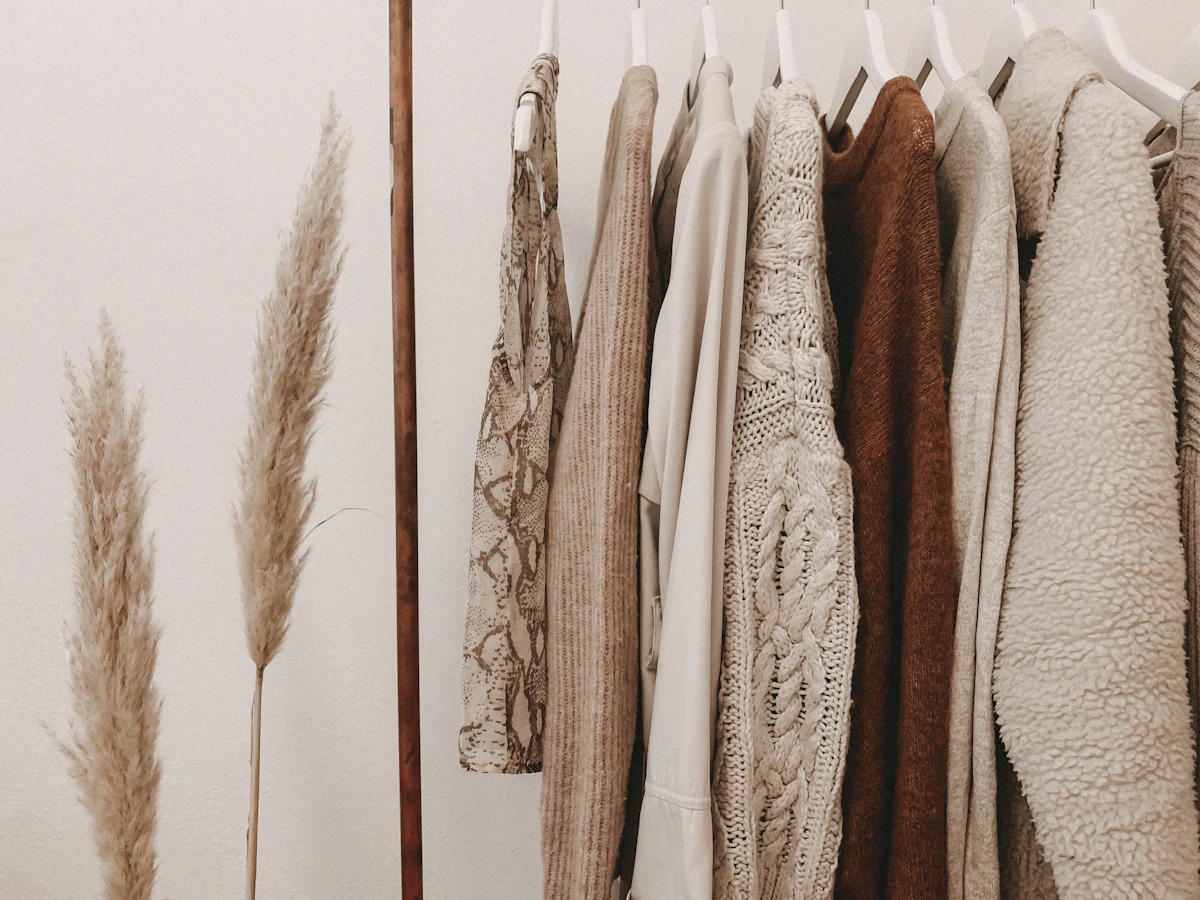
Picture this: You stand in front of a closet overflowing with clothes, staring blankly at hangers filled with garments, only to utter the universal phrase: "I have absolutely nothing to wear." You waste twenty precious minutes mixing, matching, and discarding outfits before finally settling on the same safe, repetitive hoodie or blazer you wore three days ago. If this morning ritual sounds painfully familiar, you aren't alone. Decision fatigue plagues modern wardrobes.
For decades, personal styling was an exclusive luxury reserved for celebrities and the ultra-wealthy, while everyday clothing selection relied on static fashion magazines and trial-and-error dressing. Today, a quiet revolution is taking place. Artificial intelligence has stepped directly into our closets and e-commerce apps, transforming how we choose, match, and buy clothes. Let’s explore how machine learning is reshaping cloth selection, examine hard market data on digital retail personalization, and discover how algorithms can cure your daily style paralysis.
1. From Static Closet Hangers to Digital Twins: The Historical Evolution of Fashion Selection
To understand why modern AI styling tools feel so revolutionary, it helps to look at how far human clothing selection has evolved. According to fashion history and retail archives, early societies relied entirely on localized tailoring, regional fabrics, and rigid societal dress codes. For centuries, choosing what to wear was bound by strict seasonal availability and physical proximity to local markets.
The twentieth century introduced mass manufacturing, department store catalogs, and glossy fashion magazines that dictated seasonal trends top-down. While these innovations democratized style, they offered zero personal customization. The digital e-commerce boom brought endless scrolling and filter checkboxes, but sorting through millions of online SKUs only amplified consumer overwhelm rather than fixing it.
The true turning point arrived with the fusion of computer vision, large multimodal models, and deep customer behavioral data. Modern AI style assistants don't just display clothes—they scan your body dimensions from a single photo, catalog your existing wardrobe items into digital twins, and evaluate fabric textures, weather patterns, and social settings to recommend cohesive daily outfits in milliseconds. This seamless bridge between technology and personal identity brings us to a critical question: Do these AI clothing tools actually improve real-world satisfaction and reduce retail returns?
2. Case Study: The Data-Driven Reality of AI-Powered Wardrobe Assistants and Personal Styling
Skeptics often dismiss AI fashion tools as gimmicks designed to push online shopping rather than solve genuine wardrobe dilemmas. To evaluate this objectively, we can analyze global retail technology benchmarks and market analytics reports from industry leaders.
Case Study Breakdown (Global AI in Fashion & Personal Styling Metrics):
Recent macroeconomic evaluations and retail tech adoption studies tracking AI-driven fashion recommendation platforms reveal extraordinary growth and behavioral metrics:
- Explosive Market Expansion: According to industry research, the global AI-driven personal styling and fashion tech market is scaling rapidly, projected to surge past multi-billion dollar valuations with a compound annual growth rate (CAGR) exceeding 36% to 40% as digital retail adoption deepens.
- Combating Consumer Frustration: Data indicates that over 71% of online fashion shoppers experience intense friction and decision fatigue due to irrelevant product recommendations, driving millions of users toward AI apps that filter choices based on hyper-specific body metrics and personal taste profiles.
- Advanced Multimodal Precision: Modern generative AI styling engines can evaluate over 5,000 distinct product attributes per garment—including fabric weight, drape, color coordination, and seasonal suitability—generating fully customized outfits in under 200 milliseconds.
This empirical evidence proves that artificial intelligence functions as a vital operational filter. By cutting through endless product clutter, smart algorithms eliminate decision fatigue and help consumers maximize the utility of the clothes they already own.
3. The Intelligent Wardrobe Blueprint: How to Let AI Curate Your Outfits Daily
Integrating artificial intelligence into your daily cloth selection doesn’t mean handing over your personal identity to a machine. True style success comes from leveraging smart automation to simplify your morning routine while keeping your creative flair intact.
Follow this three-step blueprint to build an AI-optimized wardrobe system:
- Digitize Your Closet Core: Snap photos of your primary wardrobe pieces and upload them to a smart virtual closet app, allowing machine learning algorithms to catalog your shirts, trousers, and outerwear.
- Sync With Environmental Context: Connect your styling app to local weather and calendar feeds so the system automatically suggests appropriate attire based on whether you are heading to a corporate board meeting, a casual brunch, or an evening gala.
- Audit Your Rotation Weekly: Use AI-generated analytics to track your clothing wear frequency, helping you identify forgotten garments in the back of your closet and adopt a more sustainable, minimalist capsule rotation.
Ultimately, the convergence of artificial intelligence and fashion proves that looking great isn't about owning an endless mountain of clothes—it is about making smarter, frictionless choices every single day. By letting intelligent algorithms handle the logistics of your morning routine, you free up mental bandwidth for what truly matters.
Want to discover more expert breakthroughs on how artificial intelligence is transforming digital workflows, everyday productivity, and modern lifestyle tech? Continue exploring our latest insights right here on AI Automation Guru.
Comments
Post a Comment